Many users, one front door
Multi-Tenant Intercom Systems in Chicago
A multi-tenant intercom has to work for residents, managers, delivery drivers, guests, and the person standing outside in February trying to find the right name. The directory and user setup matter as much as the hardware.
- Apartment, condo, mixed-use, and office directories
- Resident app, phone, monitor, keypad, and fob options
- Entry planning for move-ins, vendors, and deliveries
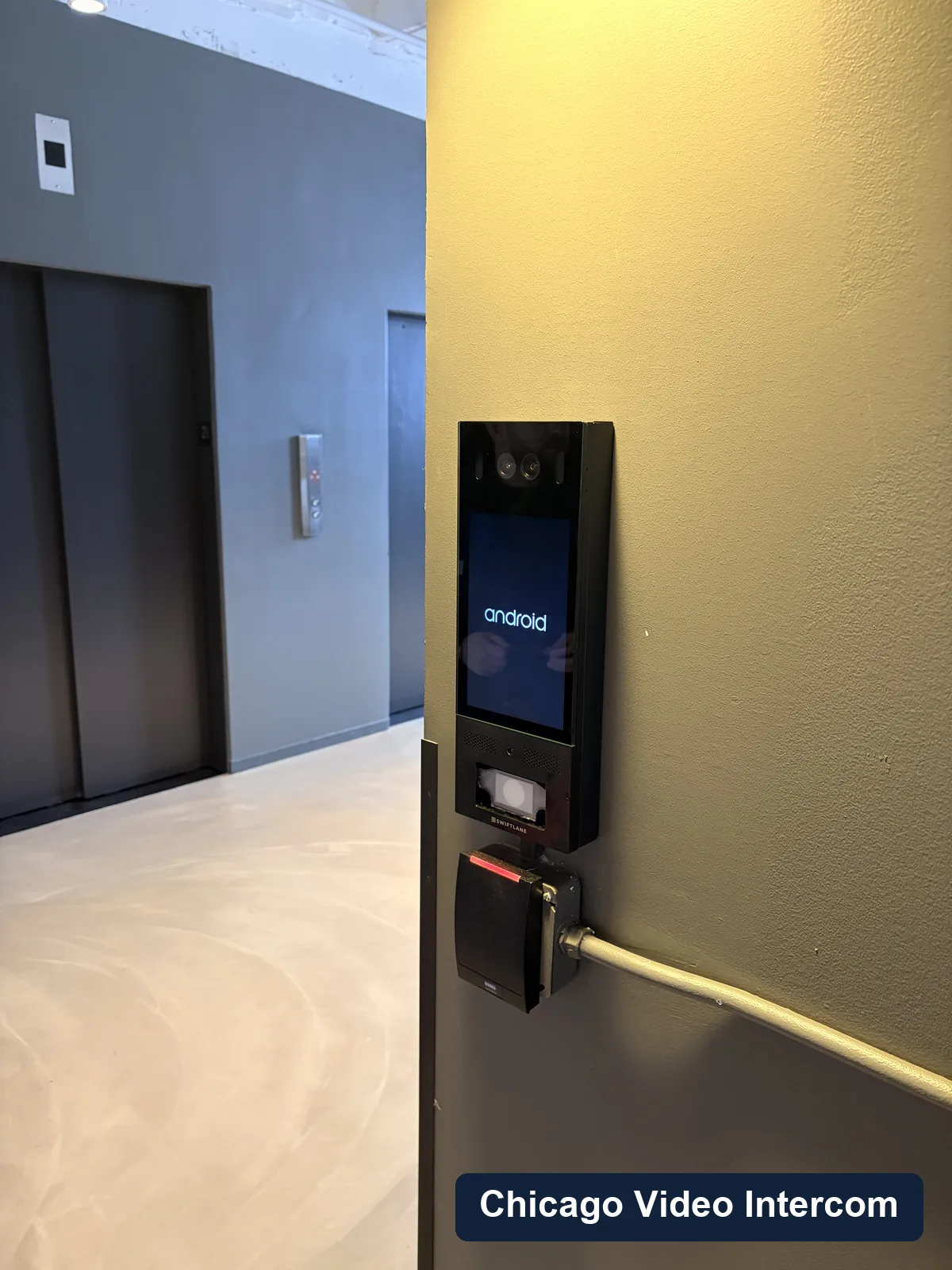
Who it fits
For buildings where one-door logic is not enough
Multi-tenant intercom systems support visitor calling and door release for multiple apartments, offices, or users through directories, mobile apps, phone calling, indoor stations, or a mix of entry methods.
This page is for properties with multiple users, frequent updates, and a front entry that has to be easy for visitors without becoming a management mess.
The front panel is public-facing, but the manager portal is where the building either saves time or loses it every month.
Good fit for
- Apartment buildings
- Condo associations
- Mixed-use buildings
- Small commercial buildings with multiple suites
Problems solved
Common problems this service addresses
Entry issue
The directory is out of date
Entry issue
Calls go to the wrong person
Entry issue
Residents need different access methods
Entry issue
Managers need a cleaner way to add and remove users
System types
Recommended system options
The final recommendation should follow the building conditions, user needs, and door hardware. That keeps the project practical after the installer leaves.
- Cloud video intercoms
- IP directory panels
- Telephone entry systems
- Keypad, fob, and access control add-ons
Chicago reality check
What changes the recommendation on a real building
A useful recommendation should survive the site visit. Around Chicago, that means looking past the product name and checking the door, wiring, weather exposure, users, and day-to-day management.
The door decides more than the brochure
For multi-tenant intercom systems, the entry door, frame, closer, latch, strike, and power supply can matter as much as the panel. A nice screen will not fix a door that does not close cleanly in February.
Old wiring deserves a real look
Many Chicago buildings have cable that has been reused, spliced, abandoned, or labeled by someone who moved on years ago. Testing the wire before choosing equipment keeps the project grounded.
Management has to live with it
Resident names, vendor access, move-ins, packages, and after-hours calls all become part of the system. The right setup should reduce phone calls to the manager, not create new ones.
Repair, replace, or upgrade
How to think about the next step
The right choice is not always the newest equipment. Sometimes a focused repair buys years. Sometimes another patch just resets the complaint clock.
| Path | When it makes sense | Site signal to check |
|---|---|---|
| Repair the current system | Best when the failure is isolated, parts are available, and the building is still happy with the basic workflow. | The directory is out of date |
| Replace the panel or shared equipment | Worth considering when the front panel, amplifier, directory, reader, or door release is the weak link but wiring may still be usable. | Number of tenants or suites |
| Upgrade the system | Makes more sense when resident access, package traffic, remote answering, or management controls have outgrown the old setup. | Cloud video intercoms |
Process
Installation or upgrade process
The process starts with a real look at the property. Door entry projects go better when the wiring, lock, power, and manager needs are understood before parts are ordered.
- Confirm user count, entry points, and how often names change.
- Review wiring, network, power, and door release.
- Choose a system that managers can update without calling for every edit.
- Configure users, test visitor calls, and document the process.
Before the site visit
Details that make the first conversation useful
A few clear details can prevent a vague quote. The goal is not to make the owner diagnose the system; it is to avoid missing the obvious door, wiring, or access issue before anyone starts pricing parts.
Helpful details to send
- Current panel brand or model, if it is visible
- Number of apartments, offices, staff, residents, or regular users
- Every entry door, gate, lobby, vestibule, rear door, or package door involved
- Photos of the outside panel, latch side of the door, power supply, and wiring area
- What still works, what fails every day, and what only fails when the weather gets ugly
Cost factors
What affects cost
Pricing depends on building size, wiring, number of entry points, and system type. The goal is to avoid surprises by checking the pieces that usually drive labor and equipment scope.
- Number of tenants or suites
- Calling method
- Directory and manager access
- Door and wiring condition
- Resident credential options
Field photos
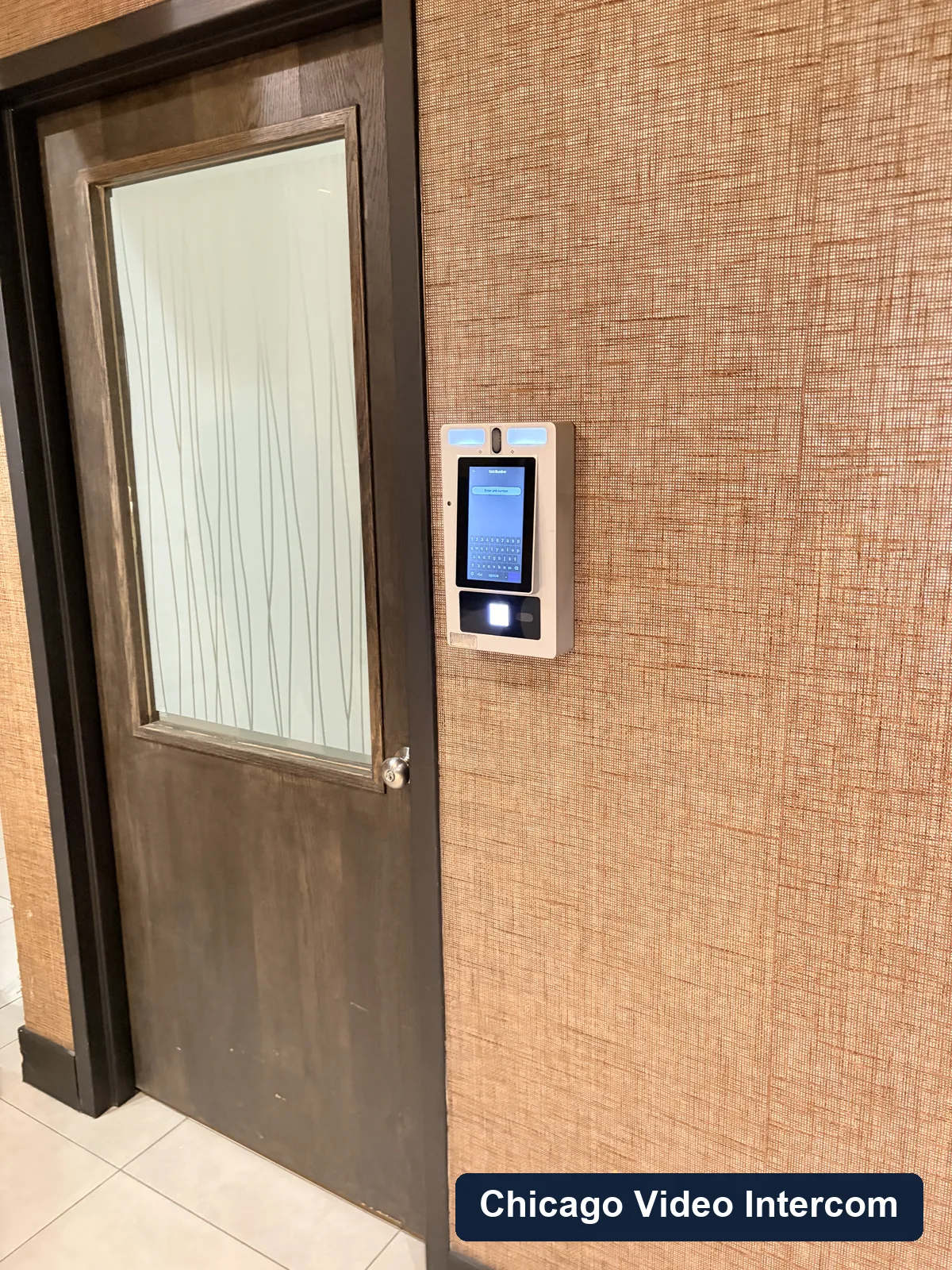
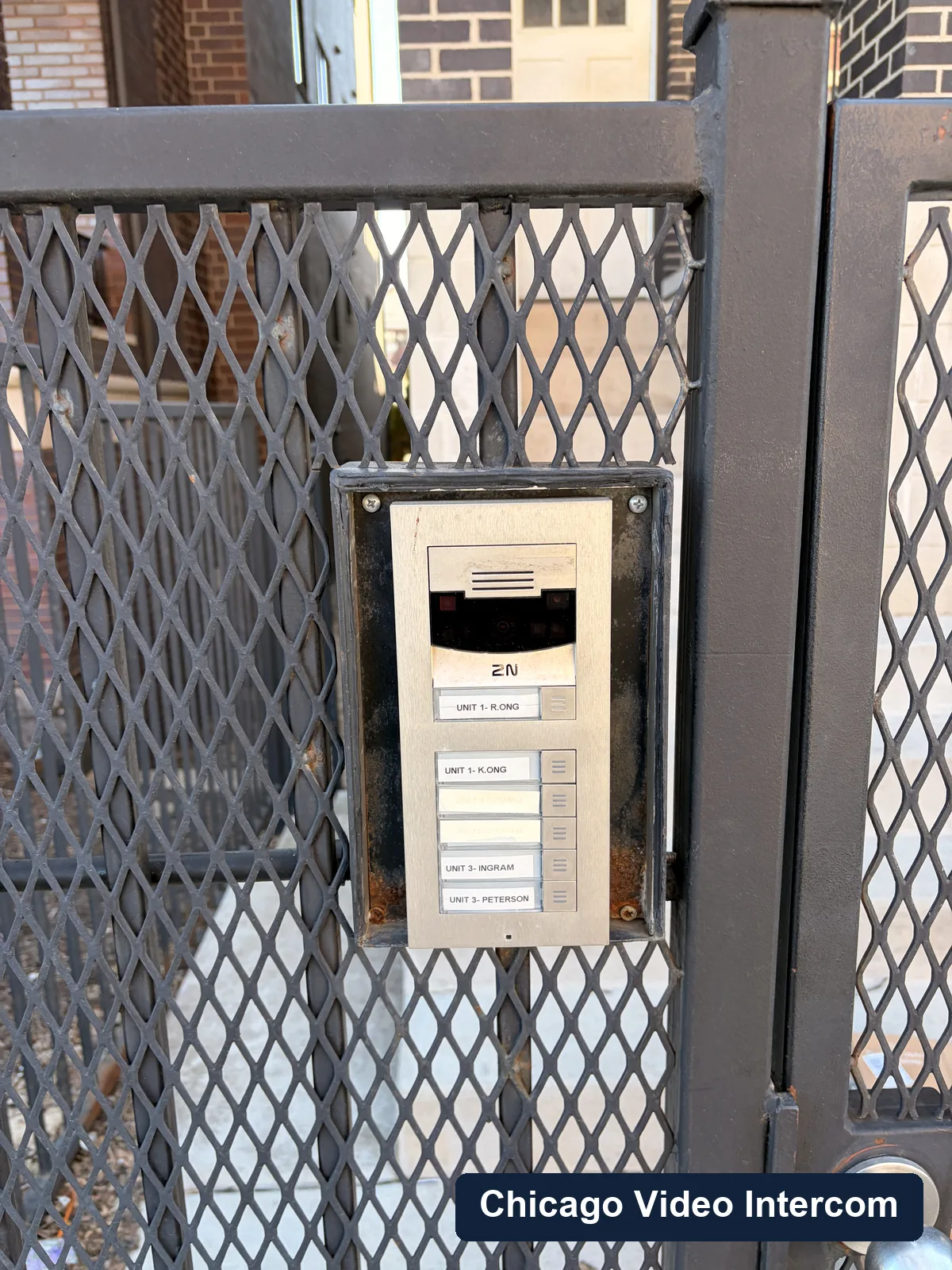
Field photos for multi-tenant intercom systems
These are real entry panels, wiring areas, gate entries, lobby panels, and service conditions from the kind of Chicago buildings this page is about.
Areas served
Chicago service area
Service covers Chicago neighborhoods including Lincoln Park, Lakeview, River North, Wicker Park, and West Loop, with nearby suburban work in Evanston, Skokie, Winnetka, Wilmette, and Northbrook.
FAQ
Questions about multi-tenant intercom systems
What is a multi-tenant intercom?
It is an entry system that lets visitors reach multiple residents, offices, or users from one shared door or entry point.
Can tenants answer from their phones?
Many modern multi-tenant systems support phone or app-based answering, depending on the platform.
Can one system handle apartments and businesses?
Yes, but mixed-use buildings need clear planning for directories, hours, users, and access rules.
Talk through multi-tenant intercom systems
Share the building type, neighborhood, number of units or users, entry points, and what is happening with the current system.